
Last reviewed against official GOV.UK and HMRC guidance for the 2026/27 tax year.
Scottish Income Tax 2026/27: How It Differs from the Rest of the UK
Scotland has six income tax bands instead of three. Here is how the Scottish rates work in 2026/27, and the salary at which Scots start paying more than the rest of the UK.
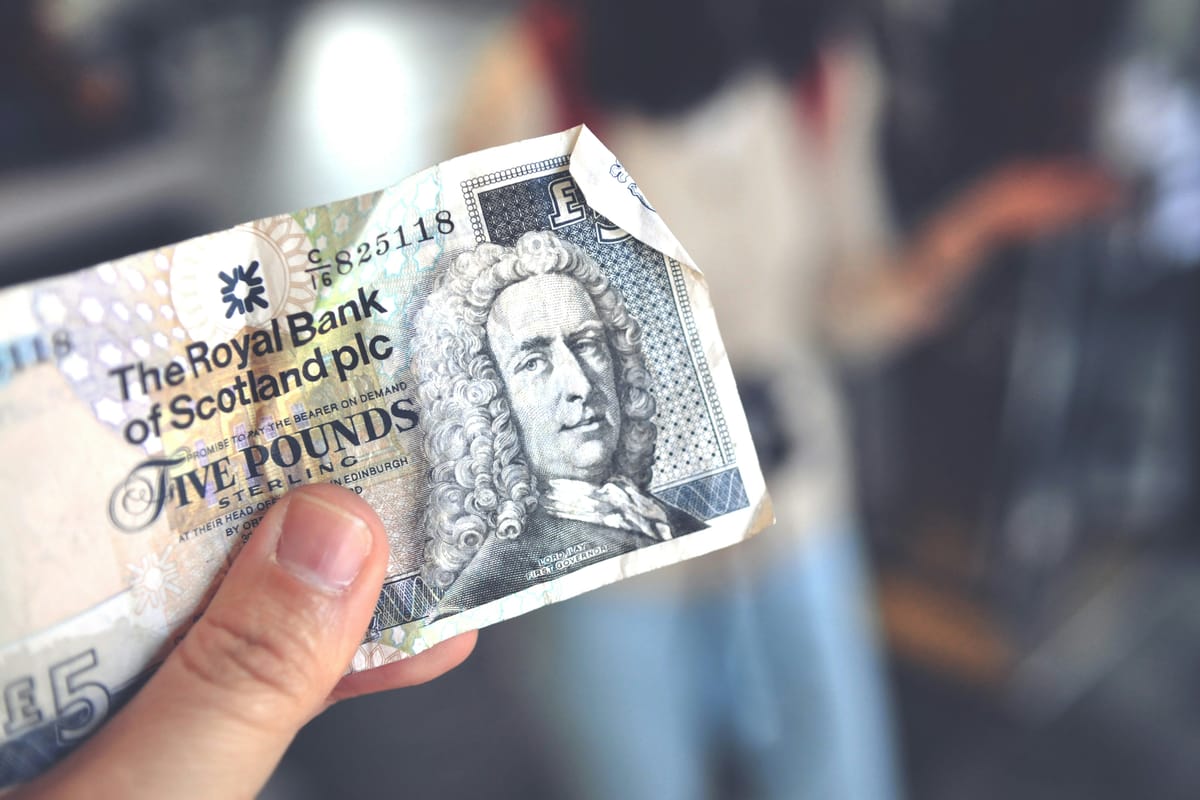
If you are a Scottish taxpayer, the Income Tax you pay is set by the Scottish Government, not Westminster — and the system is noticeably different. Instead of the three bands used in the rest of the UK, Scotland has six, with its own rates and thresholds. This guide explains the Scottish Income Tax bands for 2026/27, who counts as a Scottish taxpayer, and exactly where the gap with the rest of the UK opens up.
What are the Scottish Income Tax bands for 2026/27?
Scotland uses six bands of Income Tax on non-savings income. After your tax-free Personal Allowance of £12,570, your income is taxed progressively from a 19% Starter Rate up to a 48% Top Rate:
| Band | Taxable Income (2026/27) | Scottish Rate |
|---|---|---|
| Personal Allowance | Up to £12,570 | 0% |
| Starter Rate | £12,571 to £15,397 | 19% |
| Basic Rate | £15,398 to £27,491 | 20% |
| Intermediate Rate | £27,492 to £43,662 | 21% |
| Higher Rate | £43,663 to £75,000 | 42% |
| Advanced Rate | £75,001 to £125,140 | 45% |
| Top Rate | Over £125,140 | 48% |
How is this different from the rest of the UK?
England, Wales and Northern Ireland use just three rates: 20% basic, 40% higher (from £50,270), and 45% additional (from £125,140). Scotland splits the lower end into three smaller bands and the upper end into two, and crucially its higher rate of 42% kicks in much earlier — at £43,663 rather than £50,270.
| Feature | Scotland | Rest of UK |
|---|---|---|
| Number of bands | Six (19%–48%) | Three (20%–45%) |
| Higher-rate starts at | £43,663 (42%) | £50,270 (40%) |
| Top rate | 48% over £125,140 | 45% over £125,140 |
At what salary do Scots pay more tax?
For lower earners, Scotland is actually slightly cheaper: the 19% Starter Rate means someone earning around £15,000 pays a few pounds less than they would elsewhere in the UK. The position reverses for middle and higher earners. Above roughly £30,000 a Scottish taxpayer starts to pay marginally more, and the difference widens sharply above £43,663, where the 42% Scottish Higher Rate applies to income that would still be taxed at 20% in the rest of the UK until £50,270. That band between £43,663 and £50,270 is where the largest gap opens up.
Who counts as a Scottish taxpayer?
Your tax status is based on where your main home is, not where you work. If your only or main residence is in Scotland for most of the tax year, you are a Scottish taxpayer and HMRC gives you a tax code beginning with S (for example, S1257L). It is residence, not employer location, that decides which rates apply.
Does National Insurance differ in Scotland too?
No — only Income Tax is devolved. National Insurance is the same across the whole UK, so a Scottish taxpayer pays exactly the same NI as someone in England on the same salary. See our National Insurance rates guide for the figures.
Calculate your Scottish take-home pay
Our calculator fully supports the Scottish bands — just tick the "Scottish Resident" box. Try it on the UK Salary Calculator, or see a worked example such as £45,000 after tax. The official rates are published by the Scottish Government via GOV.UK Scottish Income Tax.